The wisdom of Sirach is not part of the Protestant canon. It’s a real shame too, because there are many prophetic texts clearly foreshadowing the incarnation.
Written with the form and style of Proverbs, Wisdom of Sirach is both simple and profound. It has practical lessons for living an honorable life through “the fear of the Lord,” and like other wisdom literature from the Holy Scriptures, it reveals the divine patterns of meaning; through the symbolic interpretation of the mundane, cosmic meaning is revealed.
“Give heed to me, O children,
for I am your father,
and do what I tell you,
that you may be saved.
For the Lord honored the father over the children,
and strengthened the judgement of the mother over her sons.
He who honors his father atones for his sins;
and he who honors his mother
is like one who stores up treasure.
He who honors his father
will be gladdened by his own children,
And when he prays, he will be heard.”
— Wisdom of Sirach, 3:1-5
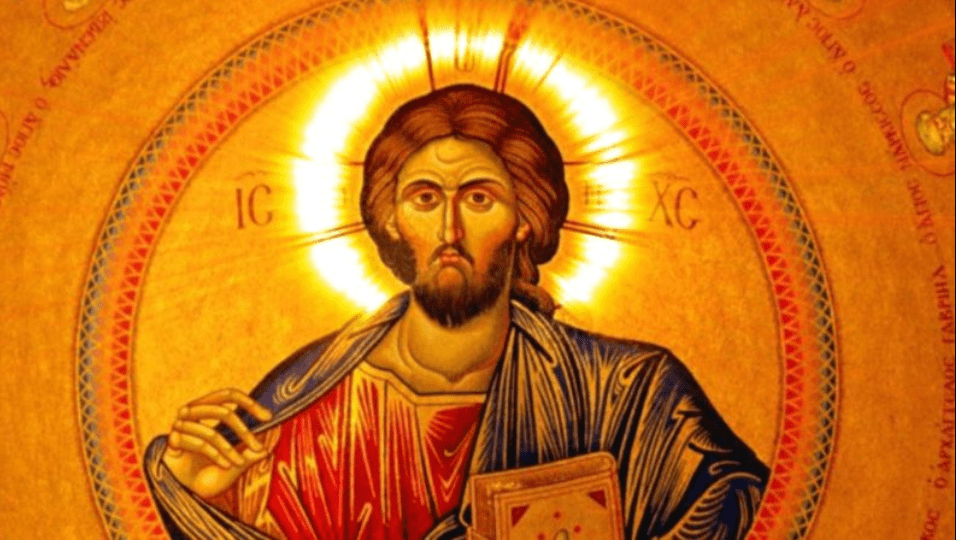
This short passage from chapter three is clearly prophetic with regard to the incarnation of the Logos of God. Jesus was the perfect son who always honored his Father. As the passage shows, it was the honor given to his Father that atoned for sin, it was his perfect obedience that made his prayers heard in the holy corridors of the heavenly temple, and now, as many sons are being called to glory in the two thousands years since his resurrection from the dead, it is the spiritual children of God now bringing gladness to the heart of their Lord.
We can clearly see the results of the fulfillment of the pattern of the family in this passage from Wisdom of Sirach. Children who honor their father will be blessed. But why is this the case? The common answer you might find in sunday school, or, unfortunately, from the pulpit if you’re protestant, is because “the bible says so.” But this answer discounts two millennia of devoted Christians working to understand and articulate the logic, metaphysics, and epistemology of what God has revealed in time and space in the incarnation of the logos and what it means for the world.
In On the Ecclesiastical Mystagogy St. Maximus the Confessor begins his theory of the highest, most true form of knowledge – theological knowledge – not with a defense of the existence of God but with the presupposition that because God is the creator of everything that exists, He can be known in everything, because His creative energies are reflected in everything. In other words, the patterns of being – the unity holding all things together, the ability for “the many” to come together to create “the one” – is a reality that comes from the divine mind of God to bring about the existence of all things. The model, if you will, is a product of His own eternal, unified, and perfect nature, so that when God creates, it is necessarily ordered according to the pattern of unity found in the Trinity.
What this means is that when we encounter these patterns, patterns which, if established in our own life, bring about order as opposed to chaos, are moments when we are encountering the divine mind touching our lives.
A Child who honors their Father and Mother will reap the rewards of living according to the divine pattern, but when we understand the symbolic interpretation, when we understand that this pattern isn’t arbitrary, we become aware of the heavenly kingdom, allowing us to follow the right path in bring that heavenly pattern down to earth, just as Jesus, the perfectly obedient son, prayed would happen.
These patterns are in everything that exists. They are the ways in which Jesus Christ Himself is holding all things together. Through the Church God is at work making all things new. He is uniting us to himself according to the heavenly pattern of being established before the foundations of the world in the perfect, unconfused, eternal unity of the Trinity.
 cosmicmystagogy.com
Leave a comment